Column · @arthurnsun263
Basement Waterproofing NJ: Questions to Ask Before Hiring a Contractor
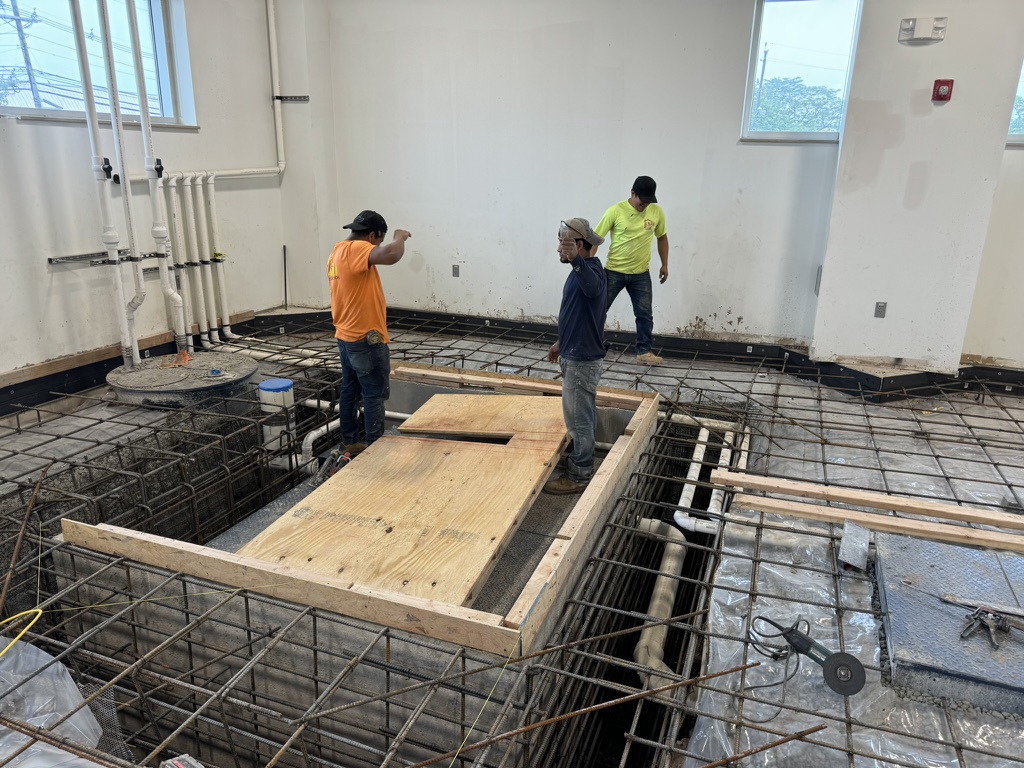
A damp basement in New Jersey is rarely a simple nuisance. It can start as a musty smell after a summer storm, a faint water line on the foundation wall, or a patch of white mineral residue near the floor joint. Left alone, it turns into peeling paint, warped framing, ruined storage, mold growth, and in some homes, a finished lower level that never quite feels dry again.
Homeowners often make the same mistake at the start. They focus on the product before they understand the problem. They ask whether they need a French drain, a sump pump, wall panels, or waterproof coating. The better first step is to ask sharper questions about diagnosis, scope, and accountability. Basement waterproofing is not a single service. It is a category of repairs, and in New Jersey, where older housing stock, high water tables, clay-heavy soils, and storm-driven groundwater all play a role, the right answer depends on what is actually happening below grade.
If you are evaluating contractors for Basement Waterproofing NJ, the quality of the questions matters as much as the estimate. Good contractors respect that. Weak ones try to steer the conversation away from it.
Start with the source of the water, not the stain on the wall
The first question to ask any contractor is simple: Where is the water coming from, and how do you know?
That sounds obvious, but many sales visits skip past the diagnosis and jump straight into a standard package. In practice, basement water problems usually fall into a few broad categories. Groundwater can rise beneath the slab and force its way up through cracks or the cove joint where the wall meets the floor. Surface water can collect near the foundation because of poor grading, short downspouts, or clogged gutters. Hydrostatic pressure can push moisture through porous concrete or masonry walls. Sometimes the issue is not bulk water at all, but condensation from humid air meeting cool basement surfaces.
Those problems can look similar from across the room. The treatment is not the same.
A contractor who knows the trade should ask about timing. Does the seepage happen only during heavy rain, a day later, or even during dry stretches? Does it appear in one corner, along one wall, or across the floor? Is the home finished or unfinished? Has a dehumidifier been running? Are there gutters above the problem area? Have there been prior repairs? Those details matter.
I have seen basements where the owner was told they needed a full interior drainage system, only to learn later that one buried downspout had separated underground and was dumping roof runoff directly against the footing. I have also seen the reverse, where a homeowner kept regrading flower beds and extending gutters when the real issue was subsurface water pressure below the slab. Surface fixes alone were never going to solve it.
A useful follow-up question is whether the contractor distinguishes between water management and true waterproofing. Some interior systems do not stop water from reaching the wall. They collect it after it enters and direct it to a sump basin. That can be an excellent, practical solution, especially in older New Jersey homes with chronic groundwater issues. But you should hear that described honestly. If a system manages intrusion rather than preventing all exterior contact with the foundation, the contractor should say so plainly.
Ask what they inspected outside
Basement leaks are often diagnosed from the inside because that is where the damage shows up, but a credible evaluation almost always includes the exterior.
Ask: What did you inspect outside the house, and what conditions did you see?
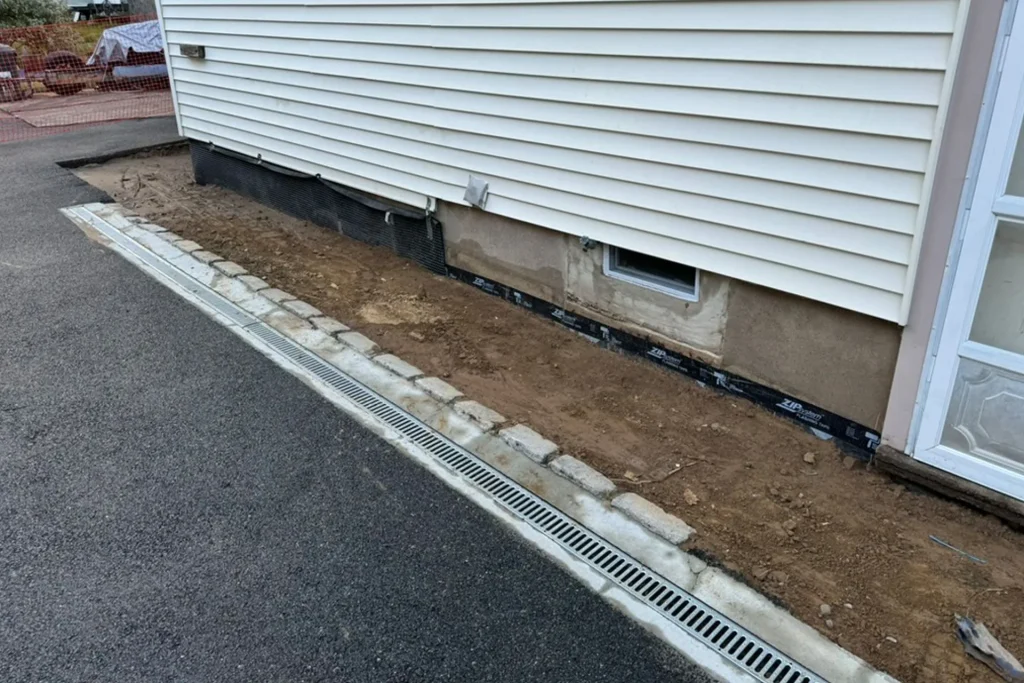
This is where experienced contractors separate themselves from crews that sell one fix every time. On the outside, they should be looking at grading, gutter discharge, hardscape pitch, window wells, foundation cracks, settlement patterns, nearby retaining walls, low spots that hold water, and whether neighboring lots shed water toward your house. In parts of New Jersey, tightly packed lots and older drainage layouts complicate things. Water may not respect property lines, and runoff from one side yard can create repeated pressure against a basement wall next door.
If the contractor never walked the perimeter, never looked at the roof drainage, and never asked where stormwater travels during a heavy rain, you are not getting a complete assessment.
This matters because exterior corrections can sometimes reduce the size or cost of an interior system. Not always, but often. A home with modest seepage from one wall may benefit from a combination of better roof drainage, localized crack repair, and improved grading. A home with a persistently high water table may still need a full perimeter drain and sump pump. The point is not that exterior is always better. The point is that the contractor should know enough to tell https://archerrope012.oakmontscope.com/posts/basement-waterproofing-nj-basics-every-property-owner-should-understand the difference.
Make them explain why this solution fits your house
The next question is where many estimates become revealing: Why are you recommending this system for my house specifically?
Do not accept vague language like “this is what most homes need” or “this is our best system.” Every company has preferred methods. That is normal. What you want is a contractor who can tie the recommendation to the conditions they found.
A 1920s stone foundation in North Jersey behaves differently from a poured concrete foundation in a 1990s South Jersey subdivision. A finished basement with drywall and flooring creates different constraints than an unfinished utility space. A home that sees an inch of water after major storms calls for different planning than one with year-round humidity and minor dampness.
Ask the contractor to walk you through the logic. If they propose interior perimeter drainage, ask whether it will be full perimeter or only in the affected area. If they recommend a sump pump, ask where the discharge will run and how far from the house it will terminate. If they suggest crack injection, ask whether the crack appears structural or simply a water pathway. If they recommend exterior excavation, ask why interior measures would not be sufficient.
A trustworthy answer usually sounds measured, not theatrical. It includes trade-offs. For example, a contractor might explain that an exterior membrane at one wall could stop lateral infiltration there, but because water is also entering at the slab edge, an interior drainage system would still be the more reliable whole-basement solution. That kind of reasoning is worth hearing.
Understand what is included and what is not
A basement waterproofing proposal can look comprehensive while leaving out costly details. Ask for a line-by-line explanation of scope, especially if the estimate seems significantly lower than others.
This is one place where clear questions save money later.
- Will the price include demolition and disposal of finished walls or flooring if access is required?
- Who is responsible for concrete patching, cleanup, and restoring removed sections?
- Is the sump pump included, and if so, what model or performance level?
- Are permits required in your municipality, and who will obtain them?
- What happens if the crew uncovers hidden conditions such as a collapsed footer drain, severe wall deterioration, or an old abandoned line?
These are not small details. They are often the source of disputes after work begins.
In New Jersey, permit expectations vary by town, and that alone is worth clarifying. Some waterproofing jobs, especially those involving electrical work for pumps or significant drainage modifications, may trigger local requirements. A contractor who is vague about permits may also be vague about inspection standards, pump discharge compliance, or restoration obligations.
You should also ask whether mold remediation, dehumidification, or wall-finishing systems are part of the contract or separate services. Homeowners frequently assume the waterproofing company will address every moisture-related issue in the basement. Sometimes they do. Sometimes they install drainage and leave the rest to another trade.
Warranties deserve a hard look
A warranty sounds reassuring until you examine what it actually covers.
Ask: What does the warranty cover, what voids it, and who stands behind it if ownership changes?
This matters more than the headline phrase on a brochure. “Lifetime warranty” can mean very different things from one company to another. Some warranties cover seepage through treated areas but exclude pump failure, wall cracks outside the repaired zone, or damage from power outages. Some are transferable. Some are not. Some are only as good as the contractor’s continued existence.
If a system depends heavily on a sump pump, ask whether the pump itself has a manufacturer warranty separate from the labor warranty. Also ask what happens during a storm-related power loss. In many parts of New Jersey, summer thunderstorms can knock out power just when groundwater is peaking. A battery backup or water-powered backup pump may not be optional in a basement with a history of active water entry.
One homeowner I spoke with after a multi-day storm assumed her “waterproofed” basement was fully protected. The interior drain performed as designed, but the single pump failed during an outage, and there was no backup. The warranty did not cover the resulting damage to stored items or finished materials. That was not fraud. It was a misunderstanding that should have been cleared up before the contract was signed.
Ask who will actually perform the work
Salesmanship is not workmanship. The person who impresses you during the estimate may never return after the contract is signed.
Ask who will supervise the project, whether the crew is in-house or subcontracted, and how long they have been doing this type of work. There is nothing inherently wrong with subcontracting, but it changes accountability. If a problem shows up six months later, you want to know whether the company that sold the job also stands behind the installation.
It is also reasonable to ask how many similar jobs they do in a typical month, particularly in homes like yours. Basement waterproofing is a broad label. Some companies lean heavily toward interior drainage systems. Others are stronger with masonry foundations, structural crack repair, or exterior excavation. The right contractor for a simple seepage issue is not always the right one for a bowed wall or a complicated site drainage problem.
Pay attention to how they talk about disruption. Experienced crews are usually candid. They will tell you that breaking out a basement perimeter trench is dusty and loud, that older slabs can vary in thickness, that debris removal takes planning, and that a finished basement may need partial demolition. A contractor who makes it sound effortless may be understating the mess or the time involved.
Get specific about pumps, drainage, and discharge
When waterproofing plans involve an interior system, the details of water movement matter. Ask the contractor to explain, in plain terms, where the water will go at every step.
That means asking where interior channels will collect water, how it reaches the sump basin, how the basin is sealed, what pump capacity is being proposed, and where the discharge line exits. In winter, freeze protection matters. In heavy rain, discharge location matters. In tightly spaced neighborhoods, discharge that simply dumps next to the foundation or toward a neighbor’s lot is asking for trouble.
If your basement has had more than minor seepage, ask whether a backup pump is recommended and why. Ask how often pumps should be tested, what maintenance is required, and what warning systems are available. A simple alarm can make a major difference if a primary pump fails.
The best contractors do not treat these as upsells alone. They frame them in relation to risk. A basic unfinished utility basement used for storage may justify one level of protection. A finished basement with a home office, gym, or bedroom area may justify another.
Do not ignore humidity, air quality, and the “dry enough” question
Basement waterproofing and basement drying are related, but they are not identical. This is especially important in New Jersey summers, when basements can feel damp even without visible leakage.
Ask: If the water intrusion is controlled, will the basement still need dehumidification or ventilation improvements?
A basement can be technically managed for liquid water and still have elevated humidity. Concrete and masonry hold moisture. Cooler below-grade spaces attract condensation. Finished basements with limited air movement can develop persistent odors even after the obvious leak is fixed.
A knowledgeable contractor should be able to tell you whether your problem appears to be water entry, ambient humidity, or both. If both are in play, you want a realistic plan. That may include a dedicated dehumidifier, better insulation choices, or changes in how the basement is finished.
This is another area where broad promises should make you cautious. “You will never smell moisture again” is not a serious diagnosis. “The seepage should be resolved, but I would still run a dehumidifier during humid months” is often the more honest answer.
Pricing tells a story, but not always the one people think
Most homeowners collect at least two or three estimates, and they should. Basement waterproofing prices can vary widely based on scope, access, pump configuration, finish level, municipality, and whether structural or exterior work is involved.
Ask each contractor why their price is higher or lower than comparable bids. The answer can reveal real differences. One contractor may be quoting a partial system while another includes full perimeter drainage. One may include battery backup, discharge upgrades, and restoration. Another may be pricing a bare-minimum installation that looks affordable until change orders begin.
Be cautious with both extremes. The cheapest bid is often cheap for a reason. The highest bid is not automatically the best. What you want is alignment between diagnosis, proposed remedy, materials, workmanship, and warranty.
It also helps to ask how they handle unexpected conditions. Some companies price aggressively, then rely on field discoveries to increase the total. Others build more contingency into the initial estimate. Neither approach is inherently dishonest, but it is better to know the company’s style before the crew arrives with jackhammers.
Signs you are talking to the right contractor
A good contractor does not rush to certainty before gathering evidence. They explain the problem without trying to scare you. They answer direct questions directly. They distinguish between what they know, what they suspect, and what they will only confirm once work opens up.
Here are a few signs the conversation is going well:
- They inspect both interior and exterior conditions before making a recommendation.
- They explain the difference between stopping water outside and managing it inside.
- They discuss backup power, maintenance, and realistic limits of the system.
- They provide a written scope that names materials, discharge plans, and warranty terms.
- They do not resist questions about permits, crew supervision, or prior similar jobs.
Notice that none of those points involve flashy branding or dramatic sales claims. They are about clarity and accountability.
Questions about structural issues should not be brushed aside
Not every wet basement has a structural problem, but some do. Horizontal cracks, inward bowing walls, step cracking in block foundations, and signs of settlement deserve careful attention. Waterproofing alone may not address the underlying issue.
If you see those signs, ask whether the contractor believes structural repair is needed and whether they handle it in-house. Some basement companies are qualified to install wall reinforcement systems or coordinate structural work. Others are not. There is no shame in referring out, and in fact, it is often a mark of professionalism when a contractor stays within their depth.
This is especially relevant in older New Jersey homes where foundation materials vary more than people expect. Stone, brick, block, and early poured concrete all behave differently when exposed to soil pressure and moisture over decades. A contractor who has mostly worked in newer poured-concrete subdivisions may not be the best fit for a century home with multiple repair layers already in place.
Timing matters more than homeowners realize
The best time to evaluate a basement is not always during an active emergency, though that is when many calls happen. If possible, document what you see before the appointment. Take photos after heavy rain. Note whether seepage appears immediately or later. Mark crack locations. Record musty smells, standing water depth, or how often the sump runs if you already have one.
Ask the contractor whether seasonality changes their interpretation. New Jersey basements behave differently in March thaw conditions than in an August thunderstorm cycle. A contractor who understands local patterns may ask about snowmelt, prolonged wet weeks, and whether your area tends to hold groundwater after storms.
That local awareness is one reason searching specifically for Basement Waterproofing NJ makes sense. Regional experience matters. Soil behavior, drainage ordinances, weather patterns, and housing age all shape the right recommendation.
Before you sign, read the contract like a repair document, not a sales sheet
A waterproofing contract should tell you exactly what is being built, removed, installed, routed, patched, and warranted. If it reads more like a brochure than a work order, slow down.
Look for specifics on linear footage, affected walls, pump details, basin details, discharge routing, cleanup, restoration limits, payment schedule, and change-order procedures. If a term sounds broad, ask it to be rewritten in measurable language. “Install drainage as needed” is weak. “Install interior drainage along the full perimeter of basement walls” is better.
You should also know who to call if the system has a problem, how service requests are handled, and whether annual maintenance is recommended. Pumps and drainage systems are not set-and-forget forever. They need periodic attention, and good contractors are upfront about that.
A dry basement is valuable, but the process of getting there should not feel mysterious. The right contractor will make the problem easier to understand, not harder. They will tell you what they found, what they are proposing, what it will and will not do, and what it will take to keep the basement performing over time. That is the standard to hold when you are hiring for Basement Waterproofing NJ. It is not about finding the smoothest pitch. It is about finding the clearest judgment.
ARD Waterproofing
Address: 98 Smull Ave, West Caldwell, NJ 07006
Phone number: +12016465936
FAQ About Basement Waterproofing NJ
What is the best waterproofing method for a basement?
The best overall approach to waterproofing a basement is a combined exterior and interior system that stops water at the foundation wall and safely manages any moisture that gets through.
What is the average cost to waterproof a basement?
The average cost to waterproof a basement ranges from $2,500 to $15,000, with most homeowners paying around $5,200 for a complete project.
Can a basement be waterproofed from the inside?
Yes, a basement can be waterproofed from the inside, and it is often the most affordable and least disruptive method.