Column · @arthurnsun263
The Connection Between Gutters and Basement Waterproofing
A lot of basement water problems start nowhere near the basement.
Homeowners often focus on the wall that feels damp, the crack that looks suspicious, or the puddle that shows up after a hard rain. Those are the symptoms. The source is frequently higher up, at the roofline, where gutters and downspouts either manage water correctly or dump it exactly where it can do the most damage. If you work around homes long enough, you start to notice a pattern: many basements labeled as “mysteriously wet” are dealing with a very ordinary drainage failure.
That is why gutters matter so much to Basement Waterproofing. They are not a cosmetic accessory. They are part of the house’s water management system, and when they fail, everything below them pays the price.
Water always takes the easiest path
Rain is simple. Gravity pulls it down, and once it hits the roof, it needs a controlled route away from the building. Gutters are supposed to collect that roof runoff, carry it to downspouts, and discharge it far enough from the foundation that it can soak into the soil without building pressure against basement walls.
When that route breaks down, water starts pooling at the perimeter of the house. The volume can be surprisingly large. A roof does not have to look massive to generate a lot of runoff. On a 1,500 to 2,000 square foot roof, a single inch of rain can produce hundreds of gallons of water. If even a portion of that is spilling next to the foundation, the ground around the house gets saturated quickly.
Once soil becomes saturated, trouble starts in a few familiar ways. Hydrostatic pressure increases against foundation walls. Water finds shrinkage cracks, mortar joints, pipe penetrations, and cold joints in the slab. If the home has a cove joint, where the floor meets the wall, that seam often becomes the entry point. Even if liquid water never visibly runs in, moisture can still migrate through concrete and masonry, raising humidity and feeding mold.
This is why gutter problems and basement leaks are so tightly linked. The gutter system controls the first stage of the problem. Basement waterproofing addresses what happens when water reaches the foundation. The two are not separate issues. They are connected parts of the same chain.
The roofline can overload the foundation
Many homeowners underestimate how localized roof runoff is. Rain falling on a yard gets distributed over a broad area. Rain falling on a roof gets concentrated at the eaves. That concentration matters.
Picture a valley where two roof slopes meet. During a storm, that valley can send a heavy sheet of water into one small section of gutter. If the gutter is undersized, clogged, or improperly pitched, it can overflow in that exact spot. Over time, you may see one corner of the basement stay damp while the rest remains dry. That is rarely random. Water is being delivered to one section of foundation over and over again.
I have seen homes where the owner spent years sealing interior cracks, repainting basement walls, and running dehumidifiers nonstop, only to discover that one downspout elbow had come loose and was discharging right against the house. Reattaching the elbow and extending the downspout did not solve every moisture issue overnight, but it stopped the constant loading of water into the soil beside the footing. The basement finally had a chance to dry out.
This is one of the most practical lessons in Basement Waterproofing: if you do not control roof runoff first, deeper waterproofing work may underperform or fail.
What clogged gutters really do
Clogged gutters are more than a maintenance nuisance. They change where water goes and how long it stays there.
When gutters fill with leaves, shingle grit, and debris, water can no longer flow freely to the downspouts. Instead, it spills over the front edge or backs up behind the gutter. Overflow near the front edge often creates trenches in mulch beds, stains siding, and dumps water right at the foundation. Backflow can rot fascia boards and soffits, but it can also run behind trim and down exterior walls, adding hidden moisture where you do not want it.
In colder climates, the problem can get worse in winter. Ice buildup in blocked gutters leads to ice dams, which force water under shingles and can introduce moisture into the wall assembly. That does not always create a basement leak directly, but it adds to the building’s overall moisture burden. Homes do not experience water problems in isolation. One weak point tends to expose another.
A clean gutter system does not guarantee a dry basement, but a neglected one often stacks the odds in the wrong direction.
Downspouts do the heavy lifting
Gutters collect water, but downspouts determine where it ends up. This is where a lot of houses fail.
A perfectly installed gutter still causes trouble if the downspout terminates too close to the foundation. Short splash blocks can help on light rains, but they are often inadequate on compacted soil, steep grades, or heavy storms. Water follows the path of least resistance. If the area around the foundation settles, and it usually does over time, runoff can flow back toward the house even when a splash block is present.
As a rule, moving discharge farther away is almost always better. In practice, many contractors aim for several feet of extension, sometimes more depending on slope, lot size, and soil conditions. Clay soil deserves special attention because it drains slowly and holds water longer. That means runoff sitting near the house remains a threat well after the storm ends.
Another common issue is underground downspout piping. These systems can work well, but only when they are clear, properly sloped, and discharged to a suitable location. If an underground line clogs or collapses, the downspout may back up and overflow at the worst possible point, right beside the foundation. Because the pipe is out of sight, the problem often goes unnoticed until the basement starts showing signs of moisture.
The soil around your home matters more than many people realize
Not all foundations respond the same way to the same amount of water. Soil type changes everything.
Sandy soil drains relatively quickly. Clay expands when wet, contracts when dry, and tends to hold moisture. That expansion and contraction can affect foundation walls over time, especially in areas with strong seasonal swings. A gutter system that dumps too much water near a clay-heavy foundation can create both drainage and structural concerns. You may see stair-step cracking in masonry, inward wall movement, or repeated seepage after storms.
Backfill also plays a role. The soil around a new foundation is disturbed during construction and then replaced. That backfilled zone is usually looser than undisturbed soil farther out in the yard. Water naturally collects in and moves through that looser material. In effect, the trench around the house can act like a conduit, guiding water down toward the footing. Poor gutter discharge adds more water to that exact zone.
This is one reason basement leaks often appear near utility penetrations or wall-floor joints. Water is not simply soaking through a giant area of wall. It is moving down the path created around the foundation and finding vulnerable openings once it gets there.
Why grading and gutters have to work together
Gutters are not a standalone fix. They need help from the ground.
A house can have clean gutters, oversized downspouts, and extensions in place, yet still struggle with basement moisture if the yard slopes toward the foundation. The ideal setup is layered. Roof runoff gets captured and discharged away. Surface grading sheds water away from the house. Subsurface drainage handles what still reaches the footing. Basement Waterproofing works best when these layers reinforce one another.
Settling is a frequent culprit. Over the years, the soil around the home can dip, creating a shallow trough along the foundation. That depression catches runoff from gutters, lawn irrigation, and rain splashing off the roof edge. It does not take a dramatic crater to cause trouble. A low spot just a few inches deep can hold enough water to keep the foundation perimeter wet for days.
This is where homeowners sometimes get tripped up. They repair a crack or install a waterproof paint, but they leave the grade untouched. The wall is still being asked to resist standing water. Very few walls do that gracefully forever.
Basement waterproofing starts outside, even when the fix ends up inside
There is a tendency to frame Basement Waterproofing as either an exterior or interior job. Real life is less tidy than that.
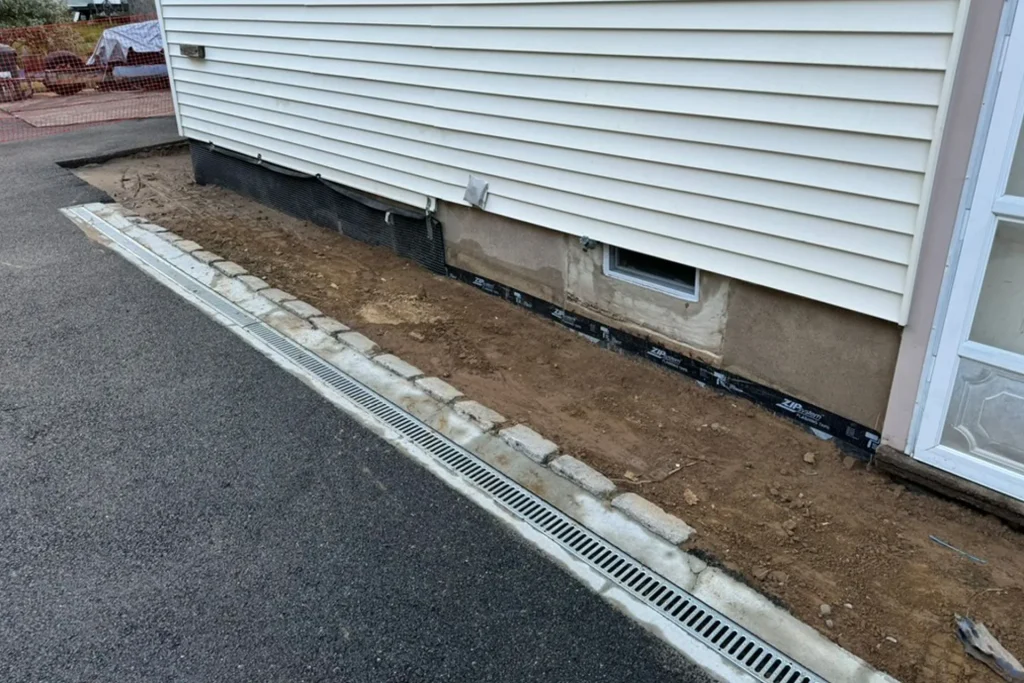
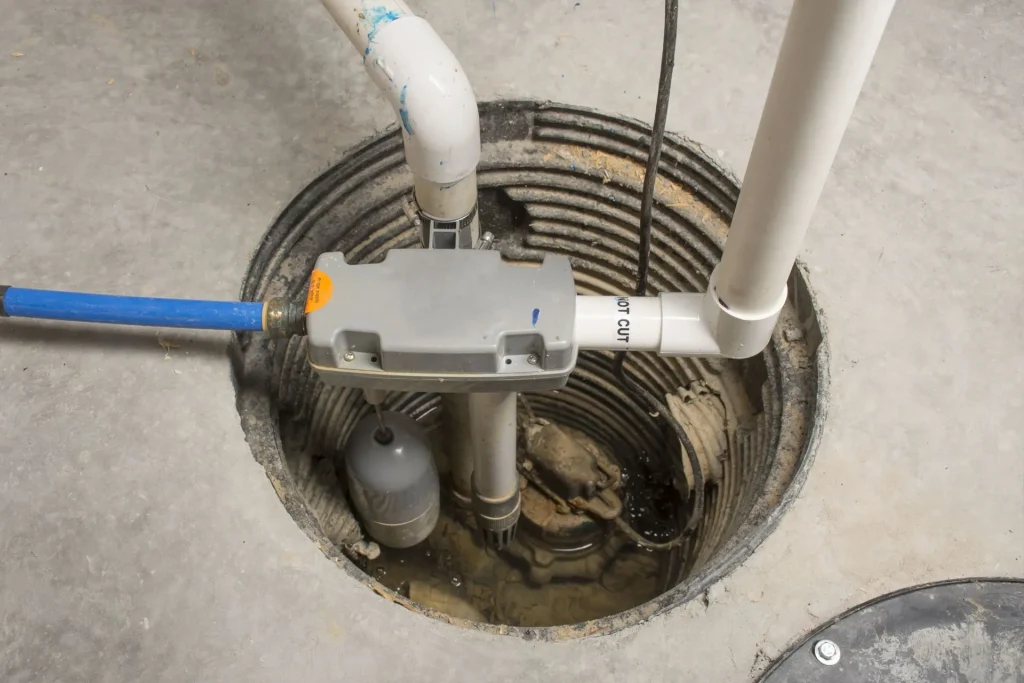
Exterior waterproofing addresses the water before it reaches the wall. That can include excavation, membrane application, drainage board, footing drains, and grading corrections. Interior systems manage water after it reaches the foundation, often with perimeter drains, sump pumps, vapor barriers, and dehumidification. Both approaches have their place. The right choice depends on access, foundation type, budget, severity of the problem, and how the house handles water overall.
What should almost never be skipped is basic roof drainage correction. Before you spend serious money on waterproofing, look at the gutters, downspouts, and discharge points. If those are wrong, they can overwhelm both interior and exterior systems.
I have seen interior drain systems perform very well after gutter improvements reduced the water load. I have also seen expensive waterproofing work blamed unfairly because the home still had downspouts emptying a foot from the wall. The installer solved one part of the equation while another part kept feeding the problem.
Good diagnosis beats expensive guesswork every time.
Signs that gutter issues are affecting the basement
The clues are often visible outside before they show up downstairs. Overflow marks on gutters, eroded mulch, washed-out flower beds, algae streaks on siding, and soil splash on the lower wall all suggest uncontrolled runoff. Inside the basement, the signs may include damp corners, efflorescence, peeling paint, musty odors, or water appearing after rain but not after plumbing use.
Timing matters. If the basement gets wet only during or shortly after storms, roof drainage should move high on the suspect list. If moisture appears year-round regardless of weather, then groundwater, plumbing leaks, condensation, or high indoor humidity may be contributing more than gutter failures. The point is not to blame every wet basement on gutters. It is to understand that gutters are one of the first systems to verify because they are both common failure points and relatively straightforward to correct.
The most common gutter-related failures
Certain mistakes show up again and again on homes with basement moisture.
- Gutters clogged with leaves or roof granules, causing overflow near the foundation.
- Downspouts ending too close to the house or draining onto settled soil that pitches inward.
- Loose joints, leaking seams, or disconnected elbows dumping water in concentrated spots.
- Undersized or poorly pitched gutters that cannot keep up with roof runoff.
- Buried downspout lines that are blocked, crushed, or discharged to nowhere useful.
None of these issues sound dramatic, which is exactly why they get ignored. A bowed foundation wall gets attention. A downspout pointed the wrong direction often does https://zanebado092.lowescouponn.com/simple-ways-to-support-basement-waterproofing-from-the-outside not, even though the second problem may be helping create the first.
New construction and old homes fail in different ways
On newer homes, the trouble often comes from settlement and shortcuts. The backfill has not fully compacted, so negative grading develops quickly. Builders may install minimal downspout extensions that satisfy a basic standard but do not account for the actual flow on the lot. Homeowners then add landscaping, edging, or patios that trap water near the house without realizing it.
Older homes have a different set of weaknesses. Gutters may be undersized for the current roof configuration, especially if additions were built over time. Hangers loosen. Fascia rots. Downspouts disappear into old clay or corrugated drain lines that nobody has inspected in years. In many older neighborhoods, lot drainage patterns have changed as fences, sheds, walkways, and neighboring improvements altered the way water moves.
That context matters when planning Basement Waterproofing work. What succeeds on a 1950s block foundation may not be the right answer for a newer poured concrete wall on heavy clay. The gutter system has to be evaluated as part of the whole site, not as a generic component.
Maintenance is cheaper than remediation
A small amount of routine attention can prevent a lot of expensive repair work. Gutters should be inspected at least seasonally in most climates, and more often if the property has mature trees. A quick check during rain is especially useful because it shows how the system actually behaves. You can see overflow, leaks at seams, poor downspout performance, and discharge points that are too close to the house.
This kind of observation reveals practical truths that dry-weather inspections miss. A gutter may look fine on a ladder in August and fail badly during a spring downpour. Water tells you where the weak points are, if you watch it.
For homeowners who do not want to clean gutters regularly, guards can help, but they are not universal solutions. Some perform well with large leaves and poorly with pine needles or seed pods. Others reduce maintenance but do not eliminate it. The wrong guard on the wrong tree canopy can create a false sense of security. That is not a reason to avoid guards entirely, only a reminder to match the product to the site conditions.
When gutters are not enough
It is important to be honest here: some basements need more than better gutters.
If the home sits at the bottom of a slope, if groundwater levels are high, if footing drains have failed, or if the foundation has major cracks or structural movement, gutter improvements alone will not solve the problem. They may reduce the severity, and that is valuable, but deeper waterproofing measures may still be necessary.
The best outcomes usually come from sequencing the work properly. Start with the obvious exterior water management issues. Correct the gutters, downspouts, and grading. Then reassess. If moisture persists, move to targeted Basement Waterproofing based on what the home is actually doing, not what anyone assumes it must be doing.
That approach saves money in some cases and avoids underbuilding in others. It also makes diagnostics cleaner. Once the roof runoff is under control, any remaining water entry is easier to trace.
A practical way to think about the whole system
A house does not stay dry because one product promises it will. It stays dry because multiple systems handle water at different stages. The roof sheds it. The gutters collect it. The downspouts carry it. The grading directs it. The drainage system relieves it. The foundation resists what remains.
If any one of those layers fails, the load shifts to the others.
That is the real connection between gutters and basement waterproofing. Gutters are the upstream defense. They decide whether the foundation faces a manageable amount of moisture or an avoidable flood of it every time it rains. When they are clean, properly sized, correctly pitched, and tied into thoughtful site drainage, they quietly do one of the most important jobs on the property. When they are neglected, the basement often ends up telling the story first.
For homeowners trying to solve dampness, seepage, or repeated leaks, that perspective changes the conversation. Instead of chasing water once it is already inside, you start by asking where the water is being concentrated outside. More often than not, the answer leads your eyes upward, right to the gutters.
ARD Waterproofing
98 Smull Ave, West Caldwell, NJ 07006, United States
+1 917-691-8411
FAQ About Basement Waterproofing
Can you 100% Waterproof a Basement in West Caldwell?
A properly designed system can substantially reduce basement water intrusion, but no method can promise protection against every flood, equipment failure, or future change in site conditions. The first step is identifying whether moisture comes from surface runoff, groundwater, plumbing, or condensation. Solutions may include grading and gutter improvements, drainage, foundation repairs, and a sump system. Review the specific coverage and exclusions of any written warranty.
How much does it cost to professionally waterproof a basement in NJ?
There is no single price that fits every basement. Cost depends on the cause of the leak, the area needing work, access, excavation requirements, drainage design, sump equipment, and restoration of disturbed finishes or landscaping. Request an on-site assessment and an itemized written estimate that explains the scope, exclusions, and maintenance requirements before comparing proposals.
How long does foundation waterproofing last in West Caldwell, NJ?
Service life varies with the waterproofing materials, installation quality, soil and water conditions, and maintenance. Drainage components and pumps may require servicing or replacement even when other parts of the system remain functional. Keep gutters, drainage outlets, and sump equipment maintained, and have recurring leaks or changes in foundation condition assessed. Ask for product-specific expectations and written warranty terms rather than relying on one lifespan for the entire system.