Column · @arthurnsun263
The Homeowner’s Basement Waterproofing Maintenance Calendar
A dry basement is rarely the result of one heroic fix. More often, it stays dry because a homeowner pays attention to small changes before they become expensive ones. That is the part many people miss about Basement Waterproofing. The waterproofing system itself matters, of course, but maintenance is what gives that system a long working life.
Basements leak for ordinary reasons. Soil swells and shrinks. Gutters clog. Downspouts loosen. Window wells fill with leaves. Sump pumps cycle harder during wet months, then sit idle long enough for parts to seize. Tiny hairline cracks become active seepage points after a freeze-thaw cycle. None of this is dramatic at first. The warning signs are usually subtle, a faint musty smell in March, white mineral staining in June, a rust ring on a floor drain in September.
Homeowners often ask for a single best time to think about waterproofing. In practice, the calendar matters more than the date on the invoice. A basement takes stress differently in spring than it does in late summer, and differently again in winter when surface water may basement waterproofing installation seem absent but frost is quietly shifting the ground. When you break maintenance into seasons, the work becomes manageable. More important, it becomes preventative rather than reactive.
What follows is a practical maintenance calendar built around the way moisture actually behaves around a house. It is based on field conditions homeowners see every year, not on idealized diagrams where every yard slopes perfectly and every drainage system was installed yesterday.
Start with the idea that water is always looking for a path
Water does not need a dramatic opening. It only needs a weak point and enough pressure. That weak point may be a crack in a poured wall, a mortar joint in older block construction, a failed seal around a pipe penetration, or the cove joint where the wall meets the floor. Many people assume that if the basement was dry last year, it will be dry this year. That is not how most moisture problems develop.
Hydrostatic pressure changes with weather and soil saturation. A house on a flat lot with heavy clay behaves differently from one on sandy soil with a strong natural slope. An interior drainage system with a sump pump can manage repeated inflow, but only if the pump is operating properly and the discharge line stays open. An exterior membrane may still be sound, yet poor grading or a short downspout can dump enough roof water near the foundation to overwhelm the rest of the system.
The maintenance calendar works because it treats the house as a whole. Basement Waterproofing is not only about the basement. It includes the roof drainage, the yard, the condition of nearby hardscape, and the humidity inside the lower level. Once you see those parts as connected, the routine makes sense.
Early spring is the first real test
If you live where winter freezes the ground, early spring is often when hidden weaknesses show themselves. Snowmelt and seasonal rain can saturate the soil around the foundation quickly. At the same time, frozen or partially frozen ground may slow drainage near the surface, creating more runoff than many lots can comfortably handle.
This is the season to look for what changed over winter. Walk the outside of the house after a steady rain, not just on a sunny day. Watch where the water goes. You are looking for ponding near the foundation, splashback against siding, overflowing gutters, and discharge points that dump water too close to the house. A downspout extension that shifted just a foot or two over winter can make a surprising difference.
Inside, inspect the basement walls and floor with a bright flashlight. Efflorescence, that chalky white residue many people brush off as cosmetic, is evidence that water has moved through masonry at some point. It does not always mean active leaking, but it should never be ignored. In older homes, spring also reveals damp corners behind stored boxes or shelving where air circulation is poor. That kind of moisture can be minor, but it is exactly how mold issues gain a foothold.
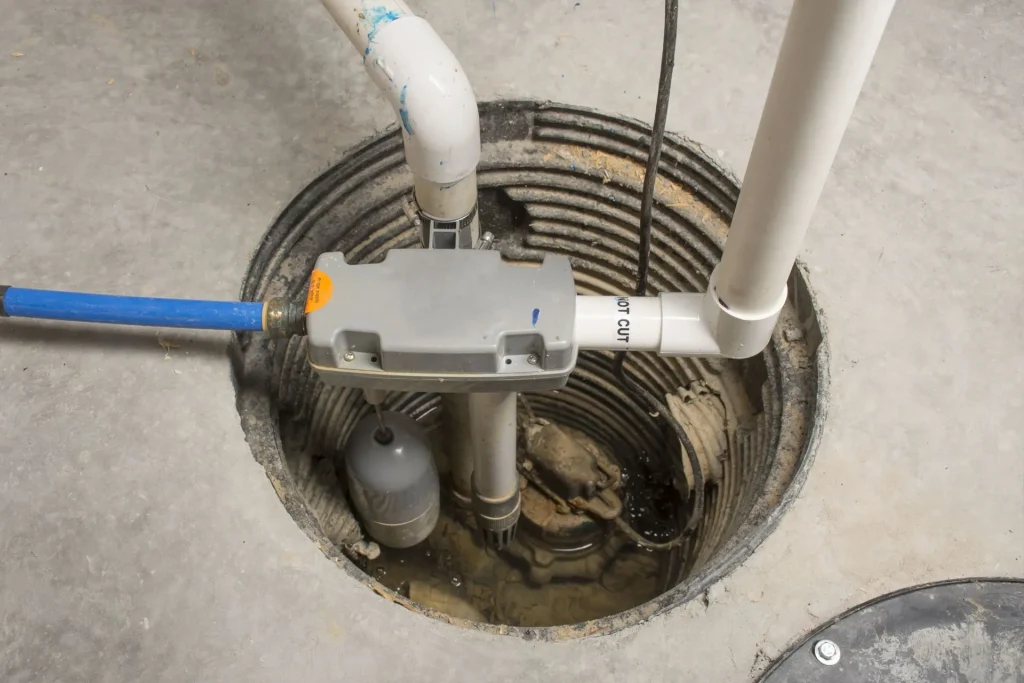
Pay close attention to the sump pump if you have one. Spring is when many pumps fail because they are suddenly asked to work after a long quiet period. Lift the float carefully to verify the pump activates. If the basin is dirty, clean out silt and debris that could interfere with the switch. Listen to the sound of operation. A pump that runs, rattles, or struggles to clear the pit may still be functioning, but not reliably.
One common oversight in spring is the window well. Homeowners clear the gutters and forget the wells, even though they collect leaves, mulch, and runoff all winter. If the drains in those wells clog, water can build against basement windows fast. That is especially risky during a heavy storm when the surrounding soil is already saturated.
Late spring is for correcting the small stuff before summer hides it
By late spring, you have a clearer picture of how the property handled the wettest part of the year. This is the time to make adjustments while the evidence is still visible. If you noticed erosion channels near the foundation, regrade those areas. If mulch beds have built up too high against the siding or foundation line, pull them back. Organic material against the house traps moisture longer than many people realize.
This is also a smart window for sealing minor issues, with an important note of caution. Not every crack should be treated as a simple caulk job. A non-structural shrinkage crack in poured concrete may be suitable for professional epoxy or polyurethane injection, but stair-step cracking in block or brick deserves closer evaluation. Homeowners get into trouble when they use surface patch products as a substitute for diagnosis. A smooth patch can hide movement while doing little to stop water under pressure.
Check dehumidifier performance during this period, even if the basement feels dry. Relative humidity can creep up well before you notice odor. In many basements, keeping humidity roughly in the 45 to 55 percent range makes a meaningful difference in comfort and in discouraging mold growth. The exact target depends on climate and the basement’s use, but if the air feels cool and clammy, do not assume the walls are leaking. Sometimes the problem is ambient moisture condensing on cooler surfaces.
Late spring is also when homeowners with finished basements should look closely at trim, lower drywall edges, and flooring transitions. Small changes such as cupping on engineered flooring, lifted carpet tack strips, or a faint stain near a baseboard often appear before obvious standing water. Unfinished basements are easier to read. Finished ones hide evidence until the repair bill is larger.
Summer is when complacency sets in
Dry weather creates false confidence. A basement that smells normal in July may still be one hard August storm away from trouble. Summer maintenance is less about chasing active water and more about preserving system reliability before the next wet cycle arrives.
This is the season to service mechanical components. If your sump pump runs infrequently, test it anyway. Consider the age of the unit. Many pumps do not fail because they are poorly made. They fail because they sit in a harsh environment and are expected to perform instantly after years of intermittent use. In homes with a history of basement water, a battery backup or water-powered backup system deserves serious consideration, especially in areas where storms and power outages tend to arrive together.
Summer is also a good time to inspect discharge lines for sagging, separation, or blockage. I have seen perfectly good pumps blamed for wet basements when the real problem was a crushed discharge extension hidden under ground cover. Water has to leave the house and stay away from it. A functioning pump with a bad discharge setup is only half a system.
Look at concrete patios, walkways, and stoops that adjoin the house. Settlement here can redirect rainwater toward the foundation instead of away from it. The change may be subtle, sometimes only enough that water sits against the joint after a storm. Over time, that repeated wetting creates a pattern that the basement eventually reflects. Summer storms are useful because they let you observe this directly.
If your basement includes a floor drain, pour in enough water to keep the trap from drying out. A dry trap is more about odor and sewer gas than waterproofing, but homeowners often confuse that smell with dampness. Good maintenance means separating one issue from another so you do not chase the wrong fix.
When autumn arrives, think like water preparing for winter
Autumn is one of the most important seasons for Basement Waterproofing maintenance because it sets the house up for the stress of winter and the thaw that follows. Leaves clog gutters quickly, and a clogged gutter is one of the fastest ways to concentrate roof water along the foundation. Clean the gutters thoroughly and make sure downspouts are firmly attached. If you have underground drain lines, verify they are taking water properly rather than backing up at the inlet.
Walk the perimeter and look at grading one more time. Soil that seemed adequate in spring may have settled during summer. This matters more than people think. Even a small depression along the foundation can collect repeated runoff over the course of a season. You do not need dramatic standing water for trouble to begin. Persistent wet soil beside the wall is enough.
Autumn is also the time to remove leaves and debris from window wells, stairwells, areaway drains, and any trench drains near exterior doors. These are the places that become emergency points during a cold rain. By the time water is visible there, the drainage capacity is already reduced.
Inside the basement, inspect insulation and rim joist areas for signs of condensation or air leakage. Cold-weather moisture problems are not always leaks from outside. Warm indoor air meeting cooler surfaces can produce enough moisture to create staining or mildew, especially in corners and behind stored items. Good air sealing and controlled humidity reduce that risk.
If your home has an exterior waterproofing membrane or drainage board from previous work, autumn is not the season to disturb the area with unnecessary digging or aggressive landscaping. Roots, edging installations, and deep planting close to the foundation can create problems where none existed. The cleaner approach is usually to manage surface water and grading rather than crowd the foundation with decorative features.
Winter is quieter, but not inactive
People tend to stop thinking about basements once the ground freezes. That is understandable, but winter has its own maintenance logic. Snow piled against the house can contribute moisture at thaw, particularly around walkout walls, basement entries, and low windows. Keep drainage paths open where possible, and avoid stacking shoveled snow directly against the foundation if another location is available.
Watch for ice at downspout outlets and on discharge lines. A frozen discharge can turn a working sump pump into a flooded basement very quickly. The pump may continue running with nowhere for water to go. In cold regions, this is one of the most important winter checks, especially during midseason thaws.
Indoor conditions matter more in winter than many homeowners realize. If basement air feels damp despite frozen ground outside, look first at humidity sources inside the house. Unvented drying racks, poor bathroom exhaust habits, and air leaks from upper floors can all feed moisture into the lower level. Condensation on cold water lines, metal ductwork, or foundation walls can mimic seepage if you do not inspect carefully.
This is also a good time to review your emergency plan. If a pipe bursts, if the sump backup alarm sounds, or if you lose power during a storm, do you know what you would do in the first hour? The answer should not depend on searching for a manual with wet hands.
The warning signs that deserve fast attention
Some symptoms can wait for a scheduled inspection. Others should move you to action right away because they suggest active water entry, worsening pressure, or failing equipment.
- Water stains that grow or reappear after rain
- A sump pump that runs continuously, cycles rapidly, or makes new noises
- Cracks that widen, branch, or show lateral displacement
- Musty odor that persists despite dehumidification and cleaning
- Rust, rot, or swelling at the base of walls, doors, or stored materials
A homeowner does not need to panic over every mark on a basement wall. Masonry often shows its history. What matters is change. Fresh staining, recurring moisture at the same location, and shifts in pump behavior are all worth taking seriously. If you are uncertain, mark the area lightly with painter’s tape and date it. Simple tracking over a few weeks can tell you a great deal.
Finished basements need a different kind of vigilance
Unfinished basements are forgiving because they reveal what is happening. Finished basements are less honest. Moisture can move behind insulation, under flooring, and inside wall cavities before anything appears on the visible surface. That means the maintenance calendar needs a few extra habits if the basement serves as living space, an office, or a guest room.
Do not push furniture tight against exterior foundation walls. Leave enough gap for airflow and occasional inspection. If the basement includes rugs or stored textiles, check beneath them seasonally. I have seen a neatly finished room hide a slow moisture issue for months simply because no one lifted the corner of an area rug after spring rains.
Pay attention to smell. A finished basement often tells on itself through odor before anything else. If one section smells different after storms, investigate, even if the drywall looks perfect. Moisture meters can help, but observation still matters. A cool patch of baseboard, a persistent damp feel in one corner, or paint that loses adhesion near floor level all deserve a closer look.
Older homes versus newer construction
The calendar applies to both, but the failure points differ. Older homes often have stone foundations, block walls, field tile drains of uncertain condition, or repairs layered over repairs. They may tolerate some seasonal dampness without obvious distress, but they are also more vulnerable to shifts in grading and mortar deterioration. In these homes, controlling exterior water is usually the first priority.
Newer homes may have better drainage details and modern membranes, yet they are not immune. In fact, some newer basements hide problems longer because the finish level is higher and the materials are more closed up. A builder-grade sump pump, a marginal lot slope, or backfill settlement can create issues within the first several years. New does not mean maintenance-free. It usually means the owner has less visible history to learn from.
What homeowners can handle, and when to bring in a specialist
Routine observation, gutter maintenance, basic cleaning, and humidity control are well within the reach of most homeowners. So is seasonal testing of a sump pump and keeping discharge routes clear. The problems start when diagnosis gets ahead of evidence or when a cosmetic fix is used in place of a system fix.
If water enters through a crack under pressure, if there is repeated seepage at the cove joint, if the wall shows bowing or step cracking, or if the basement has flooded more than once, professional evaluation is the smart move. The same goes for chronic dampness that resists ordinary measures. Basement Waterproofing solutions vary because the causes vary. Some homes need nothing more than improved surface drainage. Others need interior drain tile, exterior excavation, wall stabilization, or a redesigned discharge setup. The right answer depends on how water is getting in and what the structure is telling you.
The best specialists tend to ask detailed questions before they prescribe a fix. They want to know whether the issue happens after long rain, short intense rain, snowmelt, or plumbing use. They ask where the water appears first and whether the sump behavior changed. That kind of questioning is a good sign because it reflects real troubleshooting instead of a one-size-fits-all sale.
A practical rhythm that keeps the basement dry
A maintenance calendar works because it turns vague good intentions into repeated observation. In spring, you are watching how Basement Waterproofing the property handles saturation. In summer, you are preserving equipment and correcting drainage details. In autumn, you are preparing the house for winter loads and keeping water paths clear. In winter, you are preventing freeze-related failures and managing indoor moisture.
Most basements do not fail all at once. They drift into problems through neglect of ordinary details. A clogged downspout here, a settled patch of soil there, a pump that was never tested, a finished wall that hid a warning sign. That is why the calendar matters. It catches the quiet things.
If you keep records, even simple notes in your phone, the process gets easier each year. You begin to recognize what is normal for your house and what is not. That familiarity is one of the strongest tools a homeowner has. It is also what turns Basement Waterproofing from an emergency expense into a manageable part of caring for the home.
ARD Waterproofing
98 Smull Ave, West Caldwell, NJ 07006, United States
+1 917-691-8411
FAQ About Basement Waterproofing
Can you 100% Waterproof a Basement in West Caldwell?
A properly designed system can substantially reduce basement water intrusion, but no method can promise protection against every flood, equipment failure, or future change in site conditions. The first step is identifying whether moisture comes from surface runoff, groundwater, plumbing, or condensation. Solutions may include grading and gutter improvements, drainage, foundation repairs, and a sump system. Review the specific coverage and exclusions of any written warranty.
How much does it cost to professionally waterproof a basement in NJ?
There is no single price that fits every basement. Cost depends on the cause of the leak, the area needing work, access, excavation requirements, drainage design, sump equipment, and restoration of disturbed finishes or landscaping. Request an on-site assessment and an itemized written estimate that explains the scope, exclusions, and maintenance requirements before comparing proposals.
How long does foundation waterproofing last in West Caldwell, NJ?
Service life varies with the waterproofing materials, installation quality, soil and water conditions, and maintenance. Drainage components and pumps may require servicing or replacement even when other parts of the system remain functional. Keep gutters, drainage outlets, and sump equipment maintained, and have recurring leaks or changes in foundation condition assessed. Ask for product-specific expectations and written warranty terms rather than relying on one lifespan for the entire system.